
How to Start an Airbnb: Complete Step-by-Step Guide for New Hosts (2026)
Everything you need to know to start an Airbnb in 2026: regulations, listing creation, pricing, welcoming first guests, and reviews. The step-by-step guide for new hosts.
Cédric
Fondateur de ScanStay
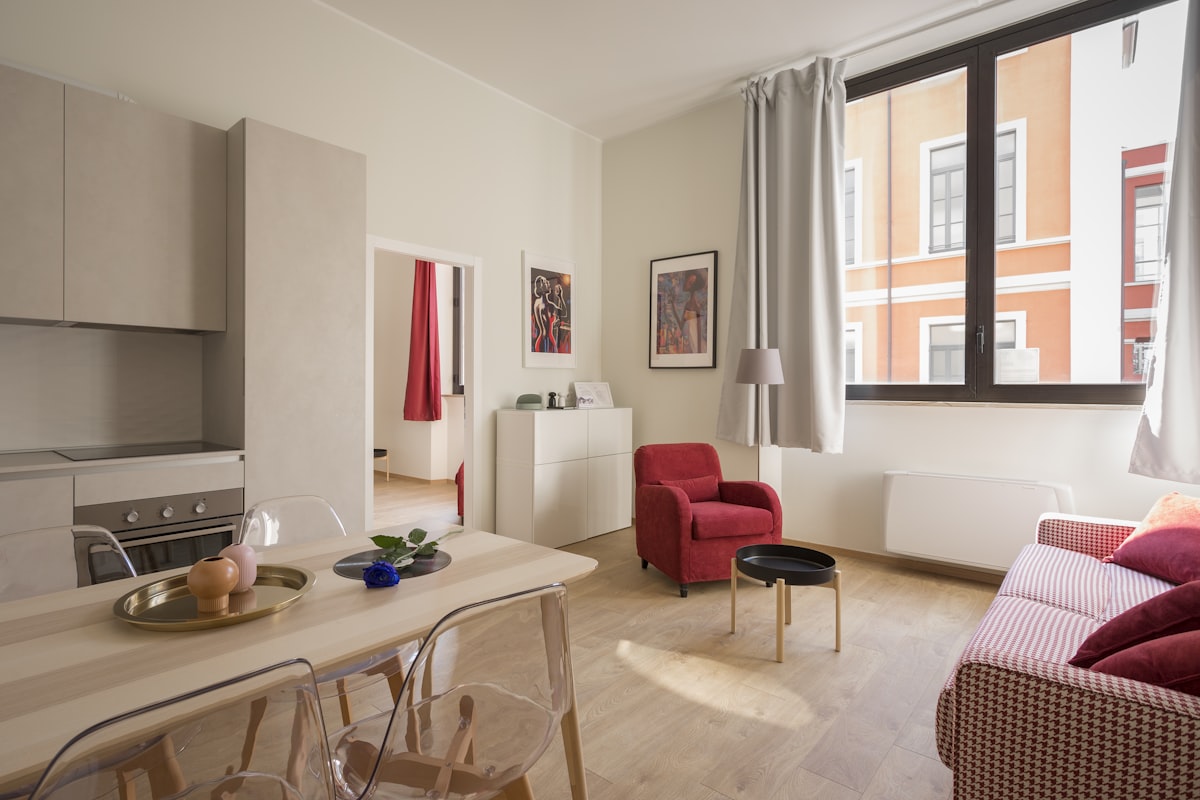
I still remember the week before my first Airbnb rental. I was terrified of getting something wrong: setting the wrong price, not explaining the access clearly, forgetting an essential piece of equipment. Three years on, with two cottages in Normandy running regularly, I can tell you that getting started is mostly about order and method.
In this guide, I'm walking you through every step to start on Airbnb from scratch: the legal prerequisites, creating your listing, your first stays, and the classic mistakes to avoid. Whether you want to rent out your home while on holiday or build a real short-term rental business, this guide is for you.
Before Creating Your Listing: the Non-Negotiable Prerequisites
Before you even pick up a camera, there are administrative and legal steps you shouldn't skip. Many new hosts bypass them and live to regret it.
Check your local regulations
Rules around short-term rentals vary significantly by location. In the UK and many countries:
- Local council registration: many councils now require short-term let registration or planning permission for frequent rentals. Check with your local authority.
- Primary residence restriction: in many cities, you can only rent your primary residence. Renting a second property may require a change of use.
- Night caps: some cities limit short-term lets to 90 nights per year (London) or have other restrictions.
The rules change frequently, so check how to list on Airbnb legally in your area before publishing your listing.
Check your lease or mortgage terms
If you rent, your tenancy agreement may prohibit subletting. If you own with a mortgage, some lenders require notification. Check both before proceeding — and get it in writing if your landlord or lender agrees.
Get the right insurance
Your standard home insurance typically doesn't cover paying guests. Two options:
- Airbnb's AirCover: protects against guest damage up to $3 million. It's basic coverage, not a replacement for your own policy.
- Specialist short-term rental insurance: dedicated insurers offer policies covering guest damage, liability, and loss of rental income. This is the recommended route for regular hosting.
Sort your tax situation
Airbnb income is taxable. In the UK, you may benefit from the Rent-a-Room Relief (£7,500/year tax-free for renting part of your home). For full property rentals, income is taxable as property income. See our Airbnb tax guide for UK hosts for a full breakdown.
Step 1: Prepare Your Property
A well-prepared property is the foundation of a successful start. Here's what I learned in the early days.
Essential equipment (the non-negotiable list)
Guests expect certain basics even if not explicitly mentioned. Make sure you have at minimum:
- Clean bedding and sufficient pillows
- Towels (at least 1 set per guest listed)
- Soap, shampoo, toilet paper (starter pack)
- Basic cleaning products
- Coffee maker and/or kettle
- Fast, working Wi-Fi (minimum 25 Mbps)
- First aid kit
- Smoke detector and fire extinguisher (legally required)
For my Normandy cottages, I also added umbrellas, a corkscrew, and regional maps. Small details that shift perception.
Photos: your number-one asset
Photos are the top conversion driver on Airbnb. Studies show listings with professional photos get 24% more bookings. A few rules:
- Take photos in daylight with plenty of natural light
- Tidy and clean thoroughly before every shoot
- Show every room, including the less photogenic ones (bathroom, WC)
- Include exterior shots and neighbourhood shots
- The main photo should show the most attractive space (living room or master bedroom)
If your budget allows, a professional photographer can pay for themselves within a few weeks thanks to the booking rate uplift.
Step 2: Create Your Listing
A great Airbnb listing balances honesty with appeal. Neither underselling nor overpromising.
The title: 50 characters to convince
Your title should mention the 3-4 most attractive features of your property, without excessive caps or emojis. Effective examples:
- "Charming Cottage, 6 Guests — Garden, Fireplace, 5 min to Sea"
- "Bright City Centre Flat — Private Terrace + Parking Included"
- "Countryside House with Pool — Vineyards & Rolling Hills"
The description: tell a story, not a spec sheet
The description should answer one key question: why is your property the best option for a guest in your area? Start with the atmosphere and key selling points, then describe the amenities. Talk about the experience the guest will have, not just the square footage.
The starting price
For your first bookings, I recommend setting a price 10-15% below the median for similar properties in your area. The goal: get your first bookings quickly to accumulate reviews. Without reviews, your listing is invisible in Airbnb's ranking algorithm.
Step 3: Set Up Availability and Pricing
Open up wide at the start
Many new hosts restrict their calendar too much from day one (5-night minimum, no short weekends...). That's a mistake at launch. Open up as much availability as possible for the first 3 months — constraints can come later once you've found your rhythm.
Use smart pricing
Airbnb's Smart Pricing tool adjusts your rates automatically based on demand. It's imperfect, but a good starting point. You can manually override for bank holidays, local events, and weekends.
Set clear booking rules
From the start, define:
- Minimum stay length (1 night to begin with — you can increase later)
- Check-in and check-out times
- Cancellation policy (I recommend "Flexible" at launch to maximise bookings)
- House rules (smoking, pets, parties)
Step 4: Welcome Your First Guests
This is the step that feels most daunting — and that's completely normal. Here's how to handle it calmly.
Check-in: in person or self-guided?
For your first few bookings, I strongly recommend in-person check-in. It lets you show the property, answer questions, and create a human first impression that positively influences reviews. With experience, you'll move to self check-in (key safe, smart lock, NFC badge) which is much more flexible.
The digital welcome book: essential from day one
This is probably the single tool that most changed how I manage my rentals. A digital welcome book centralises all the information guests need: access details, Wi-Fi, appliances, local recommendations, house rules, emergency numbers.
The guest receives a link (or scans a QR code) and has everything at their fingertips, in their own language. The result: fewer messages, less stress, and better reviews. That's what ScanStay offers: create your welcome book in minutes, accessible from any smartphone, with no app to download.
For inspiration on what to include, see our article how to list on Airbnb and our Airbnb cleaning checklist to systematise turnovers.
The welcome message
Send a welcome message 24 hours before arrival with the exact address, access code, a link to your welcome book, and your number for emergencies. Simple, professional, reassuring.
Step 5: Manage Reviews and Improve
Reviews are Airbnb's currency. Your first 10 reviews will define your trajectory for the next 12 months.
Ask for a review (without being pushy)
On the evening of departure or the following day, send a thank-you message that subtly hints at reviews. Something like: "I hope you had a wonderful stay! If you have a moment, your review would really help me improve my listing."
Leave the guest a review too
Airbnb uses double-blind reviews: neither party sees the other's review until both have submitted. Always leave an honest review for the guest — it encourages good behaviour across the whole community.
Improve after every piece of feedback
Every negative (or even mixed) comment is valuable data. After my first year, I completely redid the welcome kit and added tide information to my welcome book — all because a guest mentioned it in their feedback.
Classic Mistakes New Hosts Make
I made a few of these. Better that you avoid them from the start.
- Underestimating management time: short-term rental takes time. Cleaning, messages, calendar management, small repairs. Budget at least 2-4 hours per week for a single property in low season.
- Using mediocre photos: it's the first impression. A blurry or dark photo costs you bookings. Take the time to get them right.
- Ignoring negative reviews: responding publicly and professionally to a negative review shows your maturity as a host and reassures future guests.
- Not having a welcome book: without clear information, guests message you about everything. It's time-consuming and degrades their experience.
- Setting too high a price from day one: without reviews, your listing can't justify a premium price. Be humble at launch and raise prices once you have the stars.
To understand your earnings potential, read our article how much Airbnb hosts make.
FAQ
Do I need to register with my local council to list on Airbnb?
It depends on your location. In London, you can rent your primary residence for up to 90 nights per year without planning permission. Beyond that, or for whole property rentals, additional permissions may be required. Many councils are introducing registration schemes in 2026. Always check with your local authority before listing.
Can I list on Airbnb if I'm a tenant?
Yes, but only with your landlord's written consent. Without it, you risk eviction. Some landlords agree under conditions (no profit above the rent, prior notice before each stay). Always ask first.
How long does it take to get the first booking?
With a well-optimised listing and a competitive price, first bookings typically arrive within 1-2 weeks. If you still have no bookings after 3 weeks, revisit your photos, pricing, or calendar availability.
Is it mandatory to be present at check-in?
No. Self check-in (key safe, smart lock, NFC badge) is increasingly popular and appreciated by guests for the flexibility it offers. For beginners, I still recommend in-person check-in for the first few stays to build trust and avoid misunderstandings.
Can I host on Airbnb while working full-time?
Yes, very much so. As an individual, you can combine employment income and rental income. For small amounts, the tax process is straightforward. Check our Airbnb tax guide to understand the thresholds and reporting requirements.